Architecture That Lasts: Why Sustainability Begins at the Design Stage?
At a time when sustainability has become one of the most widely discussed topics in architecture, the focus is often placed on advanced technologies, energy systems, or ecological materials. However, the essence of a sustainable project does not lie only in the elements added at the final stages of the process, but in the decisions made from the very beginning of the design phase.
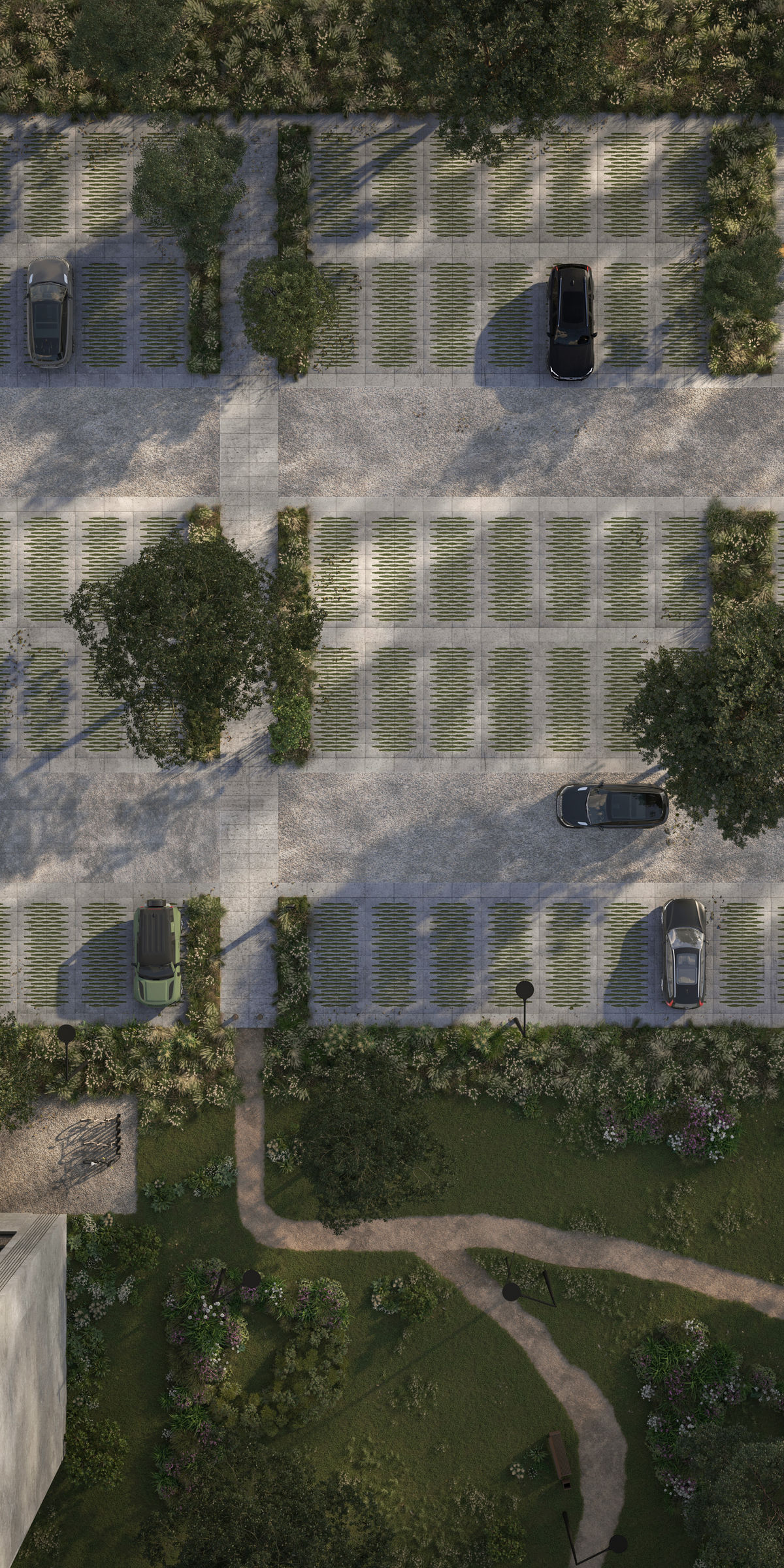
Sustainable architecture begins with how a building is positioned on its site, how it takes advantage of natural light, how spaces are organized, and how it interacts with its surrounding environment. A well-considered design can significantly reduce energy consumption, improve user comfort, and extend the functional lifespan of a building without the need for continuous interventions.
One of the most important aspects of sustainability is longevity. Buildings designed with care do not simply follow temporary trends, but are based on strong functional and aesthetic principles that remain relevant over time. High-quality materials, thoughtful details, and a rational spatial organization create projects that preserve their identity and value for many years.
In contemporary architecture, increasing emphasis is being placed on flexibility. Spaces need to adapt to the changing needs of their users. An office, a residence, or a commercial environment that can transform and evolve over time is, in itself, an example of sustainability. This approach reduces the need for frequent renovations and supports a more efficient use of resources.
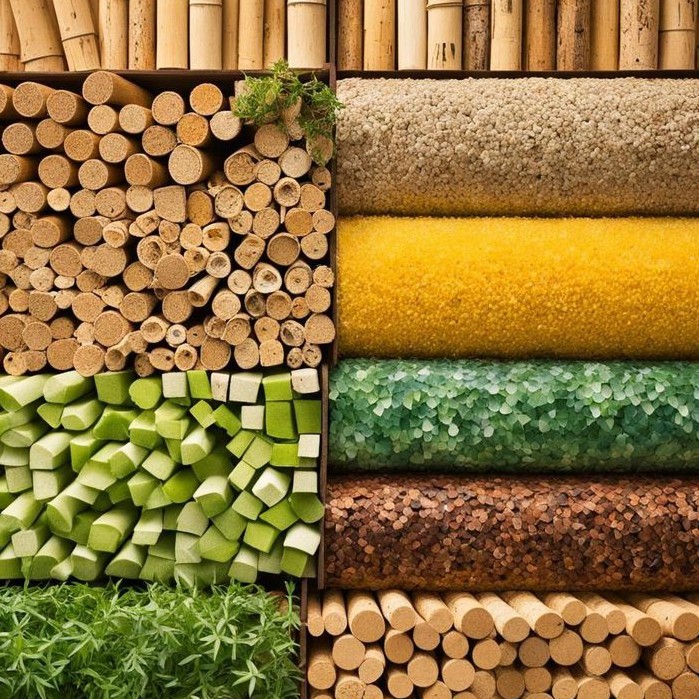
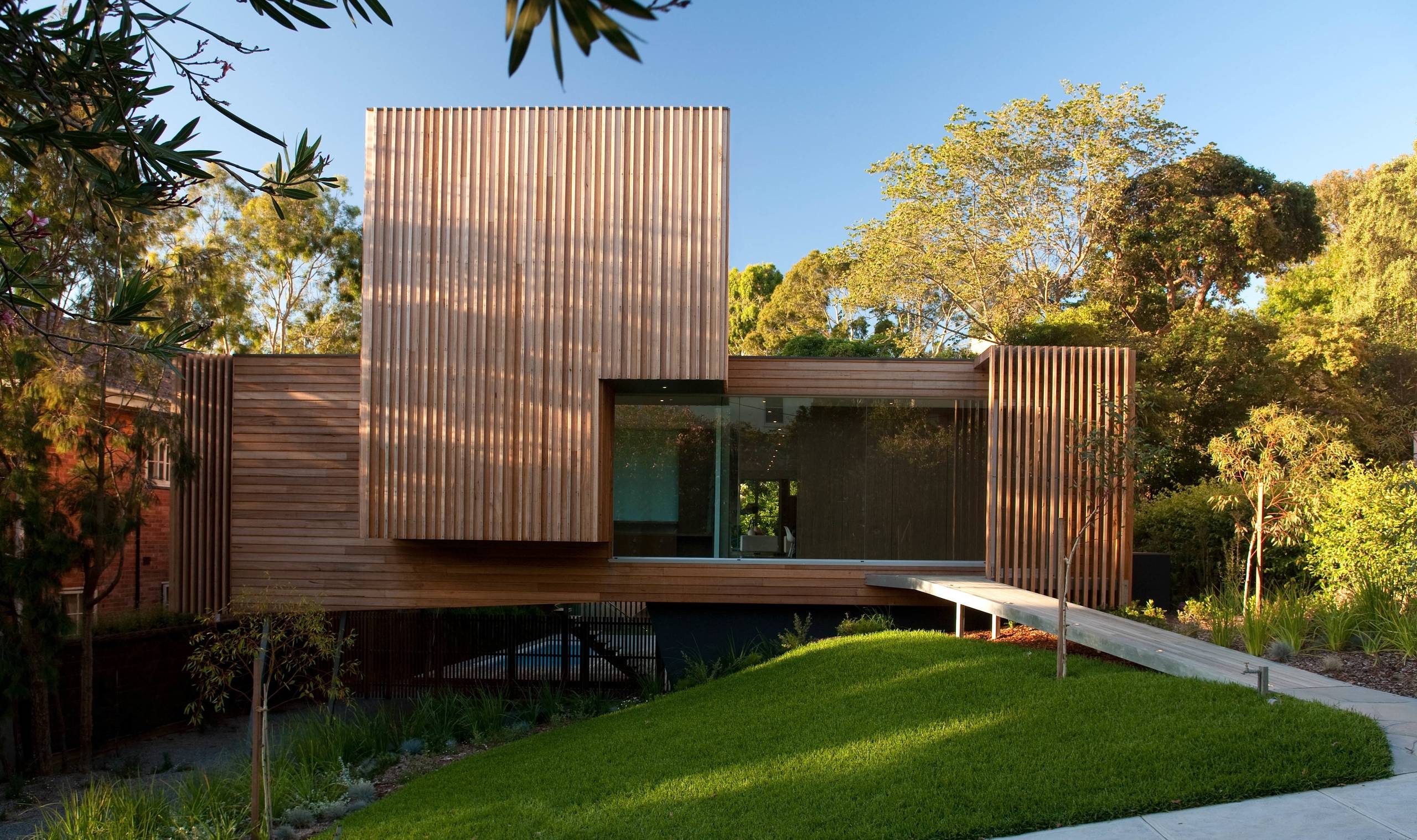
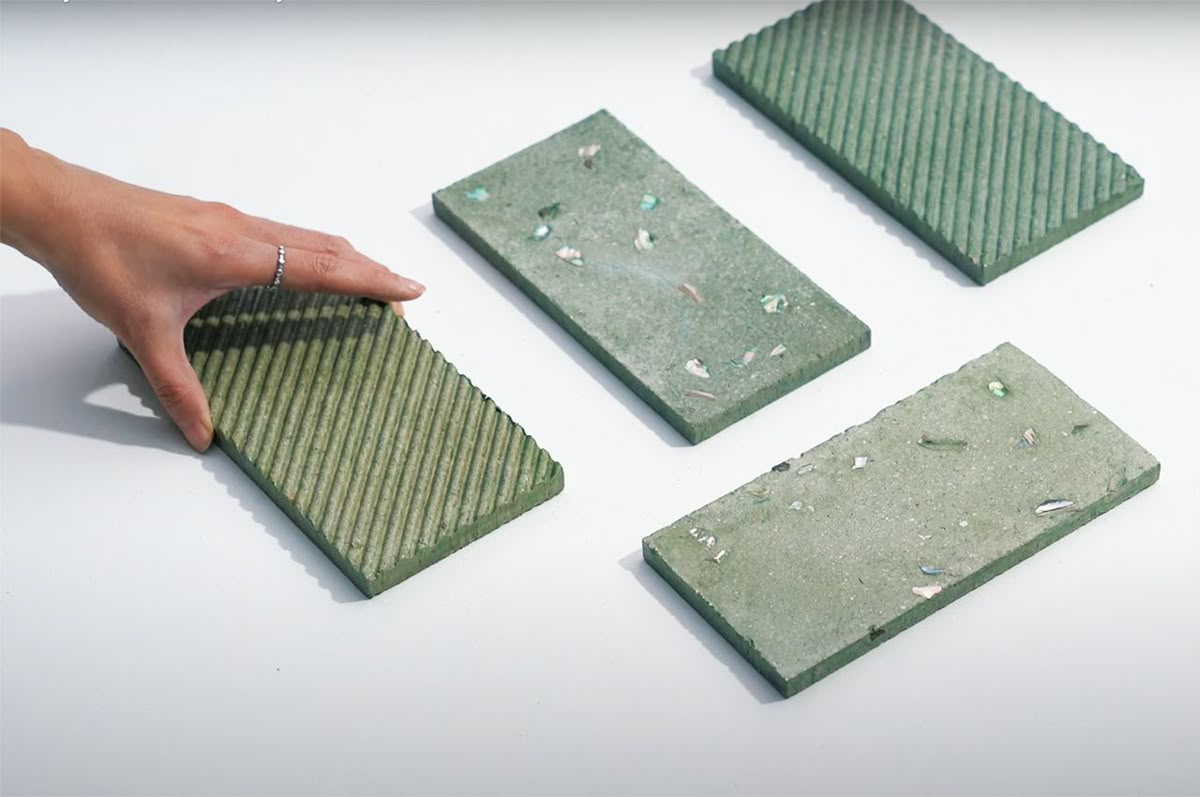
Equally important is the choice of materials. Natural wood, stone, long-lasting metals, and carefully selected finishes not only provide better performance over time but also create a more authentic connection between people and their surroundings. Unlike materials that require frequent replacement, sustainable materials gain character as they age and contribute to the identity of the project.
Today, the concept of sustainability is no longer limited only to energy efficiency or environmental impact. It is about creating architecture that performs better, lasts longer, and provides a higher-quality experience for the people who use it. A successful project is one that achieves a balance between aesthetics, functionality, and long-term performance without compromising any of these aspects.
At Tekton08 Studio, we see sustainability as a fundamental principle of design rather than an additional feature. We believe that the best architecture is the one that withstands time, adapts to change, and continues to create value long after construction is completed. Because ultimately, a successful project is not measured only by how it looks today, but by how it will function and be experienced many years into the future.