Architecture Trends 2026
Architecture trends for 2026 focus on biophilic design, natural materials, flexible spaces, and warm minimalism in contemporary architecture.
Architecture in 2026 is moving towards a more human-centered approach, closely connected with nature. More than ever, the focus is not only on form or aesthetics, but on how spaces influence human experience and well-being.
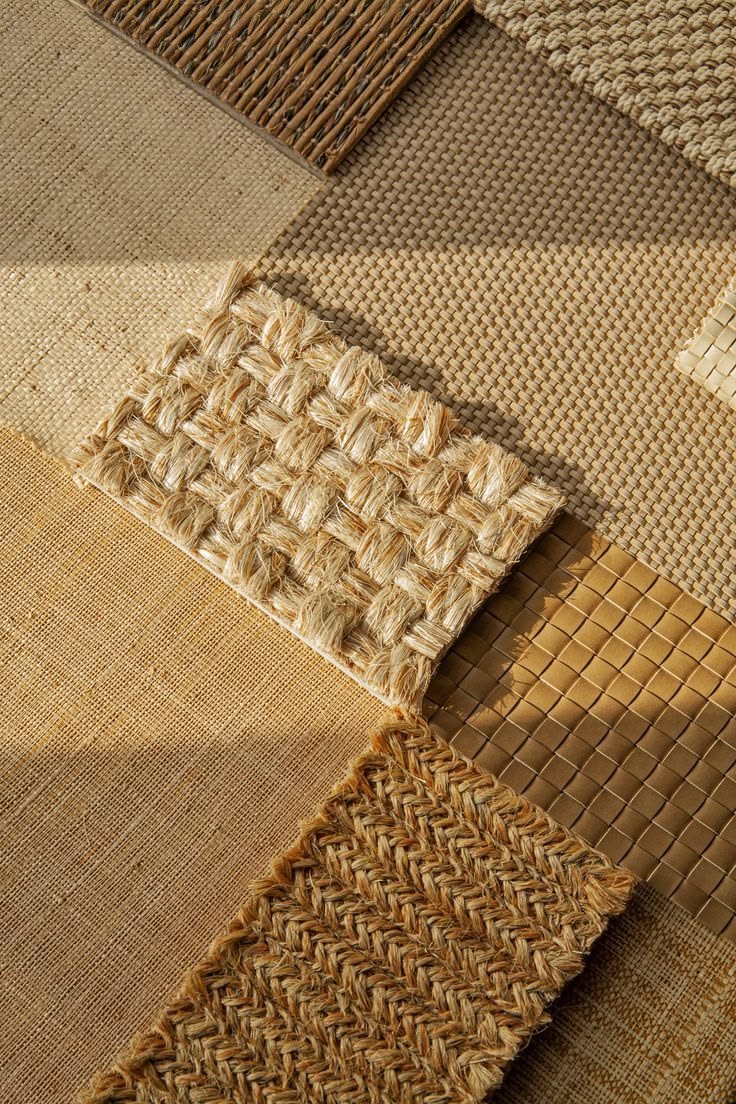
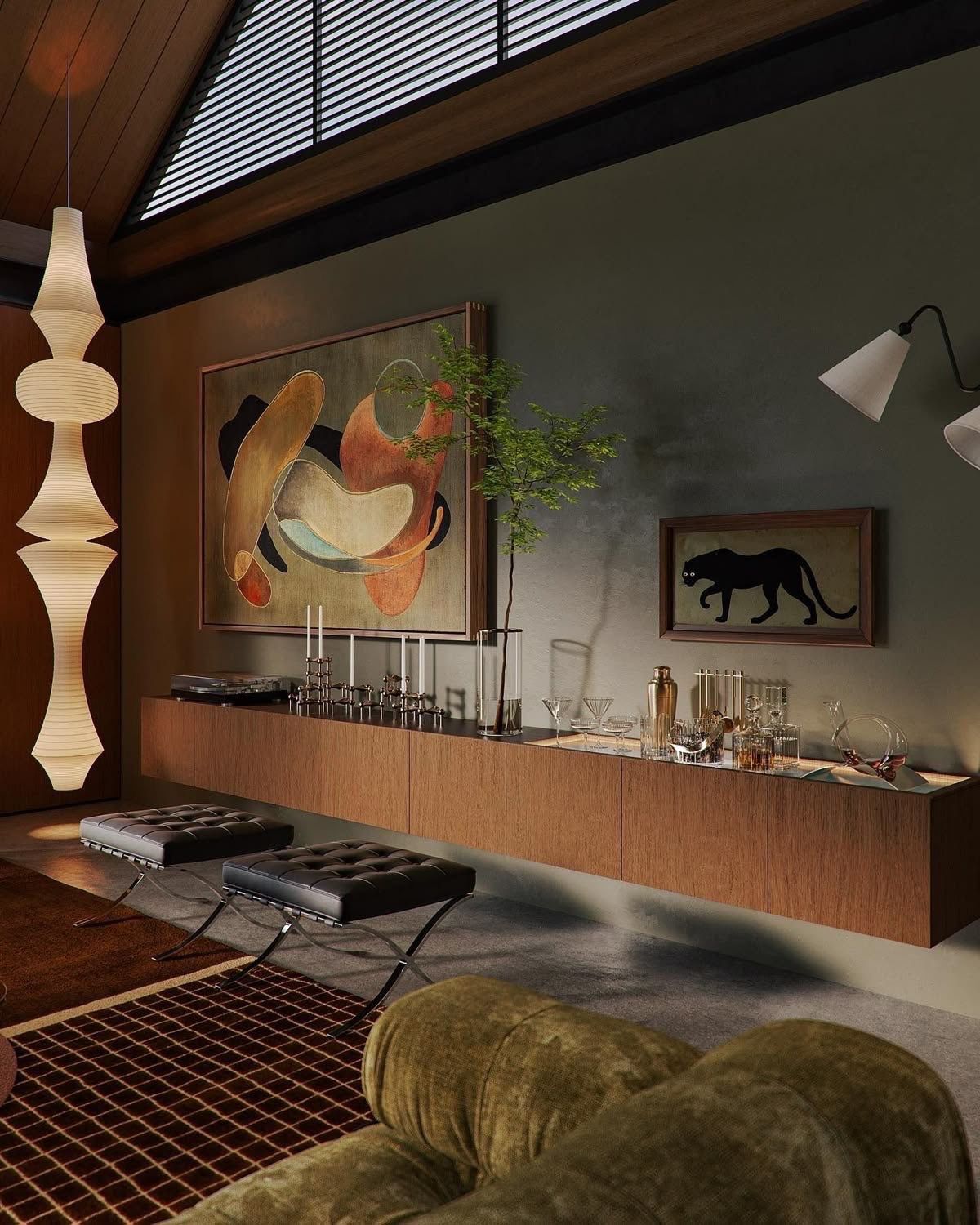
One of the strongest directions remains biophilic design, where natural light, greenery, and the connection with the outdoors become an integral part of the architectural concept. At the same time, the use of natural materials such as wood and stone is bringing authenticity back into design, creating warmer spaces that remain timeless.
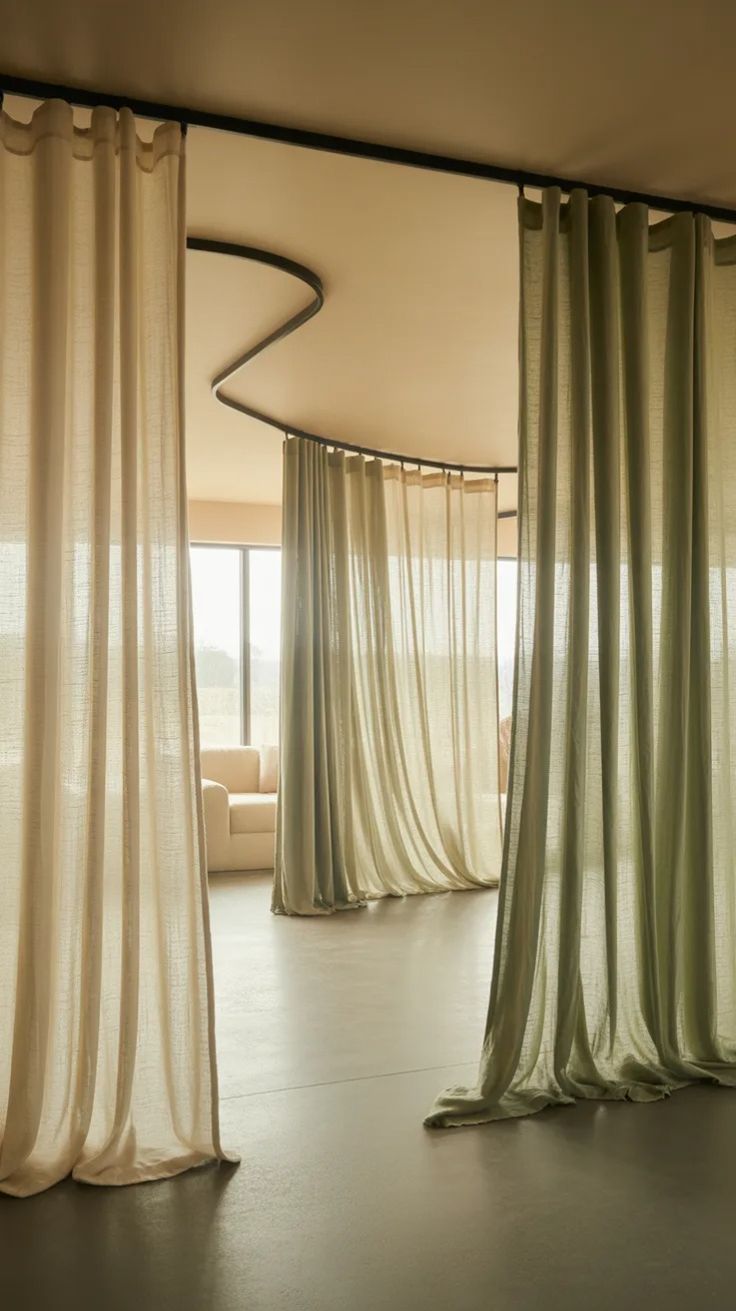
Another important trend is the development of flexible spaces, especially within office architecture and workplace design. Spaces are increasingly conceived as adaptable structures that can transform according to patterns of use and everyday needs.
At the same time, minimalism is evolving into a warmer and more human approach, known as warm minimalism, where simplicity is combined with natural textures and carefully designed lighting. This creates a balance between modern aesthetics and spatial sensitivity.
Finally, sustainable architecture continues to be one of the key pillars of contemporary design, emphasizing the importance of energy efficiency, recyclable materials, and long-term approaches to construction.
Overall, architecture trends for 2026 reveal a clear direction: spaces that are more natural, more flexible, and more thoughtfully designed around human needs.